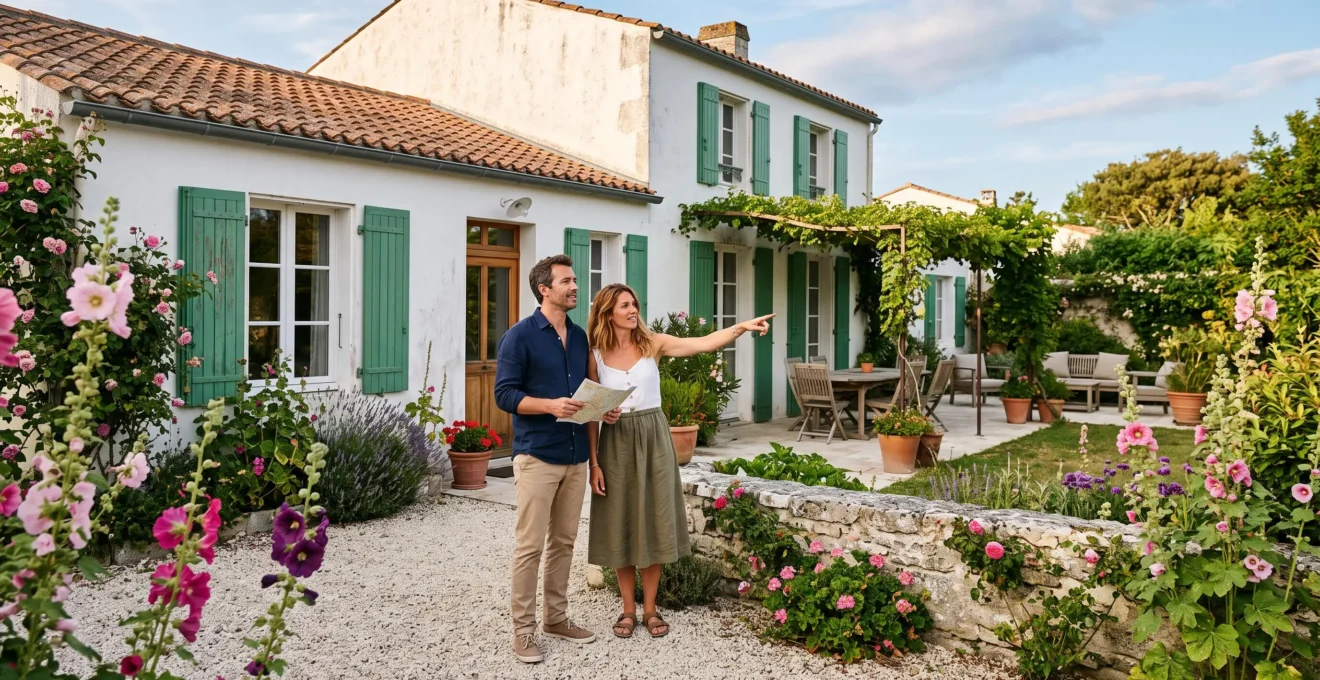
If you’re trying to choose a holiday villa on Île de Ré, the hardest part is rarely the photos—it’s making trade-offs you won’t regret: where to stay, when to travel, what you truly need, and what you can skip to stay on budget.
This article gives you a practical way to compare villas step by step. You’ll start with your travel profile, then narrow down the best villages for your style of trip, and finally validate amenities and costs so you can book with confidence before the best options disappear.
A quick decision framework for choosing your Île de Ré villa
- Start with your stay profile (family, couple, group) before comparing listings.
- Pick location first: village vibe + proximity to what you’ll do most (beach, cycling, restaurants).
- Plan around seasonality: the same villa can feel very different depending on when you go.
- Prioritize a short list of “must-have” amenities, then compare like-for-like.
- Budget beyond the nightly rate: ask what’s included and what’s extra before you confirm.
What Makes a Villa on Île de Ré the Right Fit for Your Stay?
Direct answer: A villa on Île de Ré is the right fit when its location, your travel season, the amenities you’ll actually use, and the total cost match how you plan to spend your days—without paying for features you won’t enjoy.
Before you compare listings, make sure you’re comparing the same type of place. In French rental listings, you may see “villa”, “maison”, “gîte”, or “cottage” used in slightly different ways depending on the owner or platform. Instead of relying on the label, focus on what matters for your stay: size, privacy, outdoor space, and how independent the accommodation is (kitchen, laundry, parking, etc.).
The fastest way to avoid overpaying is to define your travel profile first. A couple escaping for a long weekend doesn’t need the same layout, parking setup, or noise level as a family staying a full week in summer—or a group of friends planning dinners at home.
- If you’re travelling as a family with kids:
Choose safety and routine first (bedroom count, outdoor space, easy beach access, laundry), then look at “nice-to-haves” like a pool.
- If you’re travelling as a couple (especially off-season):
Choose village atmosphere and walkability first (markets, cafés, harbour), then prioritize comfort features you’ll notice daily (heating, a good kitchen, reliable Wi‑Fi if needed).
- If you’re a group of adults:
Choose layout and privacy first (separate bedrooms/bathrooms, a dining area that fits everyone), then look for practical extras (parking, outdoor seating, grill if allowed).
Keep your comparisons structured with four decision pillars you’ll reuse for every listing:
- Location: the village and micro-area determine your daily rhythm more than any interior detail.
- Seasonality: availability and overall “feel” change a lot between peak summer and quieter months.
- Amenities: focus on what improves your real day-to-day (not what looks best on a listing page).
- Budget: compare the total cost, not just the headline weekly rate.
One language note: even in English, keep the island name as Île de Ré. That’s how you’ll see it on maps, official information, and most local references.
Cas pratique
Imagine two trips. Trip A is a one-week family holiday in July: you’ll likely spend days cycling to beaches, juggling meals, and managing naps—so you’ll favor a practical layout, outdoor space, and a location that reduces “daily logistics”. Trip B is a couple’s stay in September: you may care more about a charming village base, calm evenings, and comfort indoors if the weather shifts. The “perfect villa” is different in each case—even if the photos look equally attractive.

Choosing the Right Location on the Island
Direct answer: Choose your villa’s location on Île de Ré based on how you’ll move around (often by bike), what you want nearby (beach, harbour, markets, quiet), and whether you prefer a lively village base or a calmer, more residential feel.
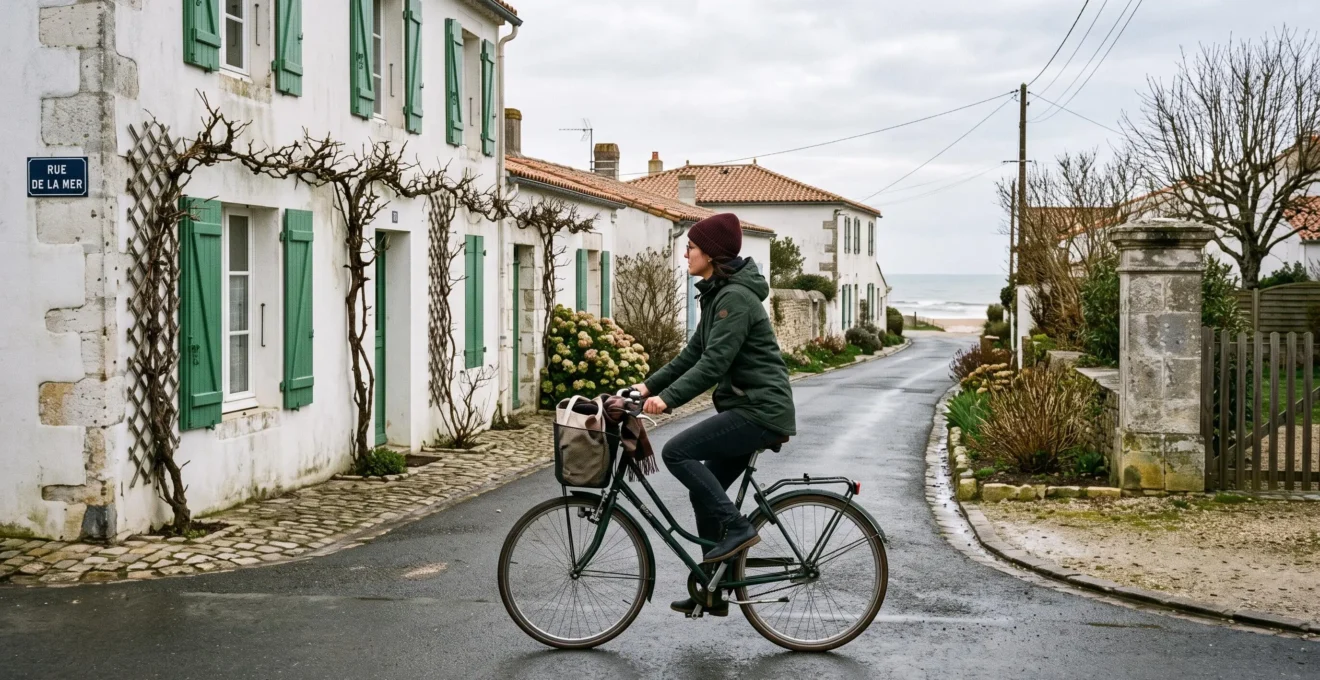
Start with the “vibe” you want, because it affects everything: parking stress, noise, the ease of stepping out for dinner, and how far you’ll cycle each day. On Île de Ré, villages vary from busier harbour towns to quieter, more rural-feeling areas.
Ask yourself: do you want to be able to walk to restaurants and shops, or do you prefer a quieter setting where you’ll cycle or drive a bit more for activities? There’s no universally “best area to stay on Île de Ré”—the best area is the one that matches your daily plan.
Bike travel is central on the island, so treat cycling convenience as a location criterion, not a bonus. A villa that looks “close to the beach” on a map may still feel far if the route is less direct, if you’re travelling with small kids, or if you want to avoid busy roads.
This is also a good moment to broaden your search when your first-choice village is fully booked. If your priority is cycling and beach days, two different villages can work equally well—while giving you very different evening atmospheres.
Which village setup fits your stay best?
If this is your first time on Île de Ré, make your choice using a simple “base style” approach rather than trying to rank villages.
- Lively base: you want cafés, restaurants, and a more animated harbour feeling within walking distance—great if evenings out are part of your holiday.
- Balanced base: you want some life nearby, but your priority is daytime cycling and beach access—good for most week-long stays.
- Quiet base: you want calm streets and a slower rhythm—often appreciated for off-season trips or anyone sensitive to noise.
How do you sanity-check a location from a listing?
Use the listing description like a checklist rather than a story. Look for concrete location clues: walking time to a bakery or market, where you’ll park, and how you’ll reach the beach or cycle routes with your group.
- Pick your “non-negotiable” daily destination
Beach access, harbour restaurants, or a quiet lane for rest—choose one main anchor.
- Estimate your realistic mobility
With kids or older travellers, a “short cycle” can mean something very different than it does for sporty adults.
- Check evening noise tolerance
If you’re going in high season, assume more activity near the most popular spots and confirm your comfort level with that.
If you’re still at the “broad comparison” stage, you may find it helpful to scan an overview of Île de Ré rentals and then narrow down village by village based on your must-haves.
Timing Your Booking Around Seasonality
Direct answer: For the widest choice, plan earlier for peak summer. For a calmer stay (often with better value), consider shoulder or low season—but double-check what services and facilities are actually open when you travel.
Seasonality is one of the biggest drivers of availability and cost for holiday rentals. The key isn’t chasing a mythical “best week”, but aligning your expectations with the season you’re travelling in.
Think in three buckets:
- High season: highest demand and the tightest availability; you’ll want to shortlist quickly and be ready to book once you’ve checked essentials.
- Shoulder season: a balance of good weather potential and a calmer feel; often easier to find well-located villas without compromising as much.
- Low season: quiet and more local in atmosphere; great if you enjoy slower days and don’t need every tourist-oriented service running.
Off-season reality check: some restaurants, shops, or activity providers may have limited opening days outside peak periods, so confirm what matters to you before committing.
If you’re comparing two identical-looking listings and asking, “Is this villa worth the high-season price?”, make the decision concrete: will you actually use the garden every day, walk everywhere, or rely on a premium location? In high demand periods, location convenience is often what you’re truly paying for.
On the regulation side, it can help to understand how “meublés de tourisme” work in France. According to the French government information page on meublés de tourisme, a seasonal rental “ne peut excéder 90 jours consécutifs” (maximum 90 consecutive days). This won’t change most holiday trips, but it’s a useful reference if you’re planning a longer stay.
Which Equipment and Amenities Should You Prioritize?
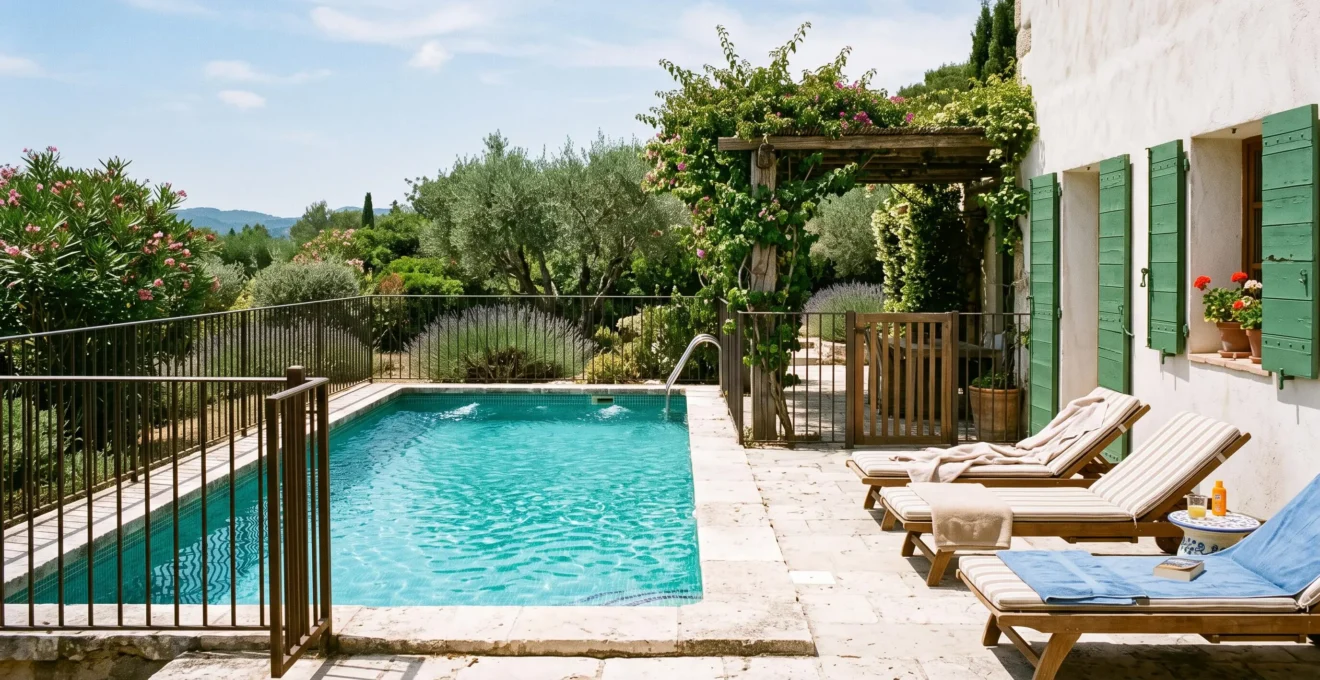
Direct answer: Prioritize amenities that reduce daily friction for your group: enough proper beds, a workable kitchen, laundry, safe outdoor space for kids, and practical parking—then decide if premium extras (like a heated pool) are worth the trade-off in price or location.
Amenities are where many travellers overpay, because listings highlight what photographs well. Flip the logic: start from your daily routine (meals, beach gear, showers, bedtime) and make the villa support that routine.
What should a family villa have?
For families, comfort is usually about logistics and safety rather than luxury. Your “must-check” list is mostly practical.
- Sleeping setup that matches your family: number of bedrooms is one thing; bed types and quiet separation is another.
- Kitchen you can actually use: enough fridge space and basic equipment if you plan to eat in.
- Laundry: a washing machine becomes much more valuable on longer stays or beach-heavy weeks.
- Outdoor space: a secure garden or courtyard can make the whole week easier.
What amenities matter most for a group?
For groups of adults, the biggest pain point is often “together but not on top of each other”. Prioritize layout and shared spaces that match how you’ll spend evenings.
- Bathrooms: not just the number, but whether they’re easy to share at peak times.
- Dining and seating: a table that genuinely fits everyone (inside or outside).
- Parking: if you’re bringing cars, confirm where they can go without daily stress.
- Wi‑Fi: essential if anyone must work remotely or manage travel logistics during the stay.
How should your amenity list change with trip length?
Trip length is a simple filter that prevents “feature overload”. For a short stay, you can accept more compromises because you won’t live in the house for long. For a full week (or longer), daily convenience matters more than design details.
| Decision point | Short stay (weekend / few nights) | Week-long stay (or longer) |
|---|---|---|
| Kitchen | Basic setup is often enough | Fully workable kitchen becomes a priority |
| Laundry | Nice-to-have | High priority (beach towels, kids’ clothes) |
| Outdoor space | Optional depending on plans | Strong comfort driver (meals, downtime) |
| Wi‑Fi | Depends on your needs | More important if you manage work/logistics |
Setting a Realistic Budget and Booking with Confidence
Direct answer: Build your budget from the total cost (rental price plus any mandatory extras), compare like-for-like across listings, and only book once you’ve checked reviews, the cancellation terms, and what’s included in the stay.
It’s easy to feel you’re “paying too much” when you compare weekly prices without context. A more reliable method is to compare villas that match on the essentials first: same village vibe, similar size, and similar key amenities. Then ask what explains the difference—location convenience, outdoor space, or premium features.
When you read the price breakdown, look for the components that commonly sit outside the headline rate: cleaning fees, a security deposit (often called a “caution”), and whether utilities or linen are included. If the listing isn’t explicit, ask before you commit so you can compare offers fairly.
Booking confidence also comes from checking the status of the rental. On Île de Ré, short-term tourist rentals can be subject to local authorization rules. The Communauté de Communes de l’Île de Ré states in its December 2024 regulation (effective 1 June 2025) that there is “un plafond du nombre de meublés de tourisme… à 3475”. You can read the official document in the règlement meublés de tourisme Île de Ré.
- Reviews and recent photos
Look for consistent feedback on cleanliness, noise, and accuracy of the listing—not just overall ratings.
- Cancellation terms
Make sure you understand deadlines and what is refundable versus non-refundable.
- What’s included in the total cost
Confirm cleaning, linens, utilities, and any on-arrival requirements so you don’t get surprise add-ons.
- Security deposit and inventory expectations
Ask how the deposit works and what check-in/check-out inspections involve.
- Key practicalities for your group
Parking, bike storage, sleeping arrangements, and heating (especially outside summer) are worth confirming in writing.
If you’d like a broader method you can reuse beyond Île de Ré, this holiday cottages guide can help you refine your shortlisting process.
At this point, you should be able to compare two villas and explain your choice in one sentence: “We’re paying for this location because we’ll bike everywhere,” or “We’re choosing this layout because our group needs privacy,” or “We’re travelling off-season, so indoor comfort matters more than a perfect pool.” That clarity is what helps you book quickly—without second-guessing.