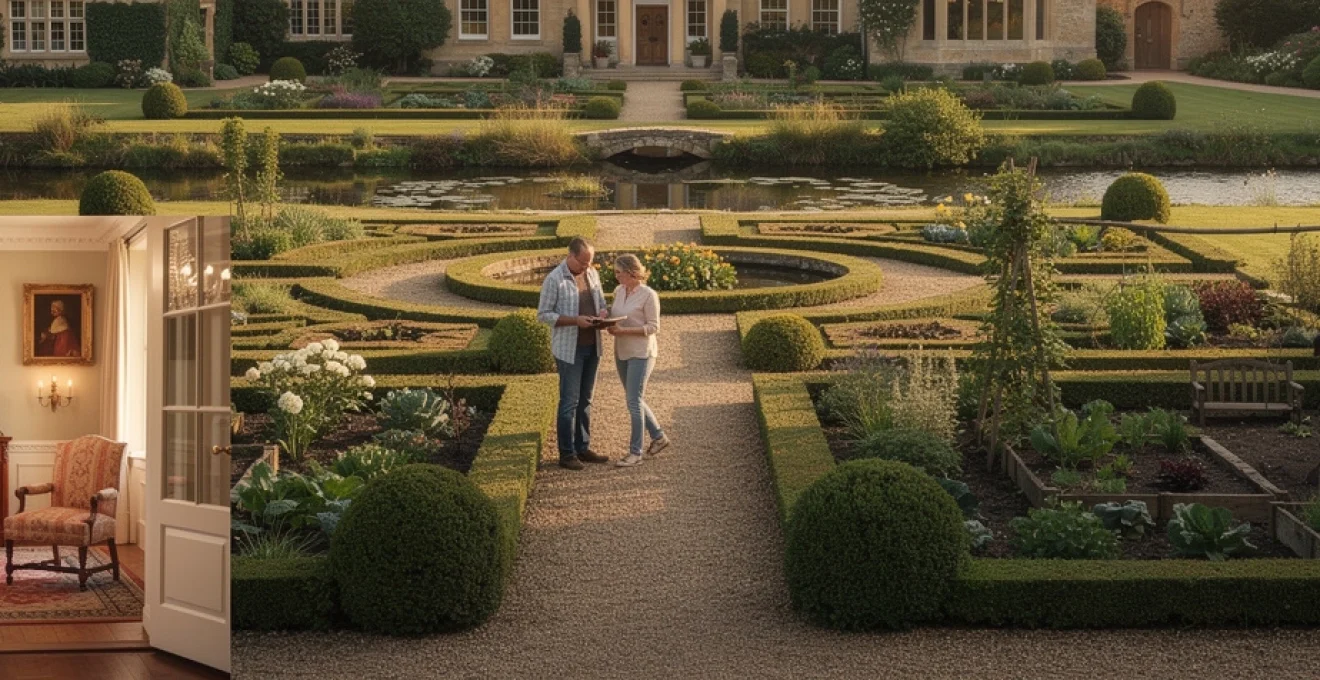
The enduring allure of traditional country houses lies in their remarkable ability to transport visitors through centuries of architectural evolution, interior craftsmanship, and landscape design. These magnificent estates represent far more than mere residential properties; they embody living museums where Georgian grandeur meets Tudor authenticity, where meticulously curated interiors showcase period-appropriate furnishings alongside carefully preserved original features. From the weathered Cotswold stone exteriors that have withstood the test of time to the intricate parterre gardens that frame these architectural masterpieces, every element contributes to an experience that transcends ordinary hospitality. The preservation of these historic properties requires an extraordinary commitment to conservation best practices, balancing the integration of modern amenities with the authentic character that makes each estate uniquely captivating.
Architectural heritage features of historic country houses
Tudor revival elements and original timber framing techniques
The distinctive black and white timber framing that characterises many historic country houses represents centuries of refined construction techniques passed down through generations of skilled craftsmen. Original Tudor properties showcase mortise and tenon joinery methods that continue to provide structural integrity centuries after construction, demonstrating the remarkable durability of traditional building practices. These exposed timber frames, often featuring intricate carved details and decorative infill patterns, create the dramatic visual contrast that makes Tudor architecture instantly recognisable.
Contemporary restoration projects frequently encounter the challenge of preserving original timber elements whilst addressing modern building requirements. Specialist conservation carpenters employ traditional tools and techniques to repair or replace damaged sections, ensuring that new work seamlessly integrates with historic fabric. The selection of appropriate oak timber, properly seasoned and matched to existing grain patterns, requires considerable expertise and attention to detail that reflects the craftsmanship standards of the original builders.
Georgian symmetry and neoclassical proportions in country estate design
Georgian country houses demonstrate the pinnacle of architectural sophistication through their adherence to classical proportions and mathematical harmony. The façades of these properties typically feature precisely calculated window spacing, with the golden ratio governing the relationship between height and width throughout the design. This architectural precision extends to interior room proportions, where ceiling heights and window placements create spaces that feel naturally balanced and comfortable.
The influence of Andrea Palladio’s architectural treatises can be observed in many Georgian country estates, where pediments, columns, and pilasters create a sense of grandeur that befits the social status of their original owners. These neoclassical elements often incorporate locally sourced materials, allowing the universal principles of Georgian design to reflect regional building traditions and available stone types.
Victorian gothic revival additions and period restoration methods
Many country houses received significant Victorian additions that introduced Gothic Revival elements, creating fascinating architectural dialogues between different historical periods. These additions often feature pointed arches, tracery windows, and elaborate stonework that demonstrates the Victorian fascination with medieval aesthetics. The integration of these elements with existing structures required considerable architectural skill to maintain visual coherence whilst introducing dramatically different stylistic vocabulary.
Modern conservation approaches to Victorian Gothic elements require specialised knowledge of period construction techniques and materials. Stone carvers working on these properties must understand the specific limestone or sandstone types used in original construction, whilst also mastering the intricate carving techniques that created the elaborate decorative features characteristic of the Gothic Revival movement.
Cotswold stone construction and regional building materials
The honey-coloured limestone of the Cotswolds creates some of England’s most photographed country houses, where the material’s natural beauty improves with age and weathering. This oolitic limestone, formed from compressed marine sediments, possesses unique working properties that allow for both structural construction and intricate decorative carving. Traditional builders exploited these characteristics to create buildings that seem to emerge naturally from the landscape.
Regional building materials extend beyond stone to include locally produced tiles, thatch, and timber species that reflect the geological and ecological character of specific areas. These materials create authentic connections between buildings and their surrounding landscapes, whilst also providing practical advantages in terms of availability and compatibility with local climate conditions. The use of traditional lime mortars rather than modern cement ensures that stonework can breathe and adapt to seasonal movement without cracking.
Interior design authenticity and Period-Appropriate furnishing
Antique furniture C
Antique furniture curation sits at the heart of any authentic traditional country house interior, requiring far more than a casual eye for “old” pieces. Serious collectors and heritage-property owners carefully assemble ensembles of case goods, seating and occasional tables that reflect the architectural period of the house, while still allowing for the layered, collected feel that defines true country house charm. A late Georgian bow-front chest, for example, might sit comfortably beside a Victorian slipper chair and an early 20th‑century writing desk, provided proportions, patina and colour harmonise.
Provenance authentication plays a crucial role where high-value antiques are concerned. Professional appraisers examine construction methods, tool marks, dovetail joints, original finishes and hardware to distinguish genuine period pieces from later reproductions. Auction house catalogues, estate inventories and archival photographs can all help trace the history of important furniture. For owners seeking to enhance the value and story of their traditional country house, keeping detailed records of purchases, restorations and expert assessments ensures each piece contributes meaningfully to the overall narrative of the property.
Traditional upholstery techniques and historic fabric selection
The visual softness and comfort associated with a classic country house is largely created through upholstery, yet authentic interiors depend on techniques that pre-date modern foam and synthetic materials. Traditional upholsterers still use hand-tied coil springs, horsehair stuffing, hessian and stitched edge rolls to give period seating its distinctive depth and resilience. This craftsmanship not only offers superior longevity but also preserves the silhouette and sit of antique chairs and sofas, which were designed around these materials.
Historic fabric selection is equally important in maintaining interior design authenticity. In a Georgian drawing room you might expect to see damasks, woollen serge, striped cottons or glazed chintz, whereas a Tudor or early Jacobean interior would lend itself to needlepoint, velvet or heavy linen. Many specialist mills now produce reproduction textiles based on museum archives, allowing you to choose historically accurate patterns while benefiting from modern lightfastness and durability. When integrating these fabrics into a working family home or country house hotel, we often combine robust natural fibres—linen, wool, cotton—with small doses of silk or embroidered panels reserved for low-traffic areas, striking a balance between authenticity and practicality.
Period-accurate lighting solutions from chandeliers to candlesticks
Lighting in a traditional country house must perform a delicate dual role: meeting modern expectations for comfort and safety while evoking the candlelit atmosphere that defined historic living. In grand reception rooms, cut-glass chandeliers, Regency brass lanterns or gothic revival pendants often provide the primary visual statement, carefully converted to run on electricity with discreet cabling and low-heat LED bulbs. The aim is to retain the original proportions, armature and patina while subtly updating functionality.
Supplementary lighting comes from wall sconces, table lamps and candlesticks that echo the layering of light you would once have found from multiple candles and oil lamps. Silk or gathered-linen shades, warm colour temperatures and dimmable circuits help recreate the flattering glow associated with period interiors. In more modest spaces—stairwells, back corridors, attics—simple bulkhead lanterns, porcelain pendants or reconditioned gasoliers provide character without overwhelming the architecture. The most successful schemes treat lighting as part of the decorative arts, ensuring each piece feels as considered as the furniture and artwork that surround it.
Original artwork and portraiture collection management
Walk into any great English country house and you will likely be greeted by generations of faces gazing down from panelled walls. Managing an original artwork and portraiture collection today involves responsibilities that extend far beyond simple hanging and dusting. Paintings require controlled light levels, stable humidity and professional condition checks to guard against cracking, fading and flaking. For heritage properties open to guests, this often means strategic use of UV‑filtering window films, lined curtains and museum-grade picture lighting.
Curatorially, you have the opportunity to tell layered stories by mixing ancestral portraits with landscapes, sporting scenes and more contemporary works. Many owners now invite living artists to respond to historic collections, introducing a subtle modern dialogue that keeps interiors from feeling frozen in time. Cataloguing is essential: detailed digital records of each artwork’s provenance, conservation history and location not only support insurance and valuation, but also safeguard the collection’s integrity for future generations. When managed with care, an art collection transforms a traditional country house from a beautiful building into a rich visual archive of taste, fashion and family history.
Traditional country house gardens and landscape architecture
Formal parterre gardens and topiary maintenance techniques
The approach to a historic country house is rarely accidental; it is carefully choreographed through avenues, forecourts and parterres that frame the architecture. Formal parterre gardens—low box hedging laid out in geometric knots, scrolls or arabesques—offer both immediate impact and a strong visual link to the Baroque and early Georgian periods. Their success depends on rigorous maintenance: crisp edges, consistent hedge height and weed-free gravel paths are what keep the design legible from upper-storey windows.
Topiary, whether in the form of clipped yews, box domes or whimsical animal shapes, adds sculptural interest throughout the seasons. Maintaining these living artworks requires specialist knowledge of species, pruning schedules and pest management, especially given the recent pressures of box blight and box tree moth across the UK. Many estate owners now experiment with alternative plants such as Ilex crenata or yew to recreate traditional forms with improved resilience. As with the architecture, the guiding principle is clear: respect historic intent while adopting modern horticultural best practice.
Kitchen garden design with heritage vegetable varieties
Behind the showpiece terraces and lawns, the working heart of a traditional country house landscape was always the kitchen garden. Enclosed by brick or stone walls to create a warm microclimate, these productive spaces supplied the house with fruit, vegetables, herbs and cut flowers. Today, well‑designed kitchen gardens not only deliver food miles measured in mere steps but also offer guests an evocative glimpse into historic estate life.
Reinstating or creating such a garden involves careful planning of beds, paths, water access and crop rotation. Many owners now favour heritage vegetable varieties—from crimson-podded peas to knobbly French carrots and old apple cultivars—not only for their flavour but for the way they visually anchor the space in another era. Companion planting, organic pest control and composting complete the picture, ensuring the kitchen garden functions as a living laboratory for sustainable, historically informed horticulture. For visitors, there are few greater pleasures than recognising produce from the garden appearing moments later on the dining table.
Parkland management and ancient tree conservation
The sweeping parkland that often surrounds a traditional country house is more than a picturesque backdrop; it is a carefully composed work of art in its own right. Influenced by 18th‑century landscape designers such as Capability Brown and Humphry Repton, these rolling lawns, shelter belts and strategically placed clumps of trees were planned to create ever-changing views. Managing such landscapes today involves balancing aesthetics with biodiversity, agriculture and public access.
Ancient trees—some several hundred years old—are among the estate’s most irreplaceable assets. Veteran oaks, beeches and sweet chestnuts require regular arboricultural surveys to monitor structural soundness, fungal activity and habitat value. Where limbs must be reduced for safety, sensitive pruning techniques can retain habitat features like cavities and deadwood that support bats, birds and invertebrates. Increasingly, estate managers integrate wildflower meadows, low-intensity grazing and hedgerow restoration into parkland plans, recognising that a thriving ecosystem enhances both visual richness and long-term resilience.
Water features integration from ornamental ponds to mill streams
Water has always played a vital role in the country house landscape, whether as a reflective ornamental pond, a formal canal or a working mill stream powering the estate’s industry. Thoughtfully designed water features provide focal points, frame key views and introduce movement and sound into otherwise still compositions. In some properties, sinuous lakes were deliberately shaped to appear natural from the house, masking the heavy engineering required to create them.
Modern stewardship of these features must consider ecology as closely as aesthetics. Desilting, bank stabilisation and planting of native marginal species help maintain water quality and support wildlife, from dragonflies to kingfishers. Where former mill streams or ornamental rills survive, sympathetic restoration can bring them back into use, adding another layer of sensory experience for guests. The aim is to treat water as the connective tissue of the landscape, linking gardens, parkland and productive areas into a coherent whole.
Modern comfort integration within historic property frameworks
Integrating modern comfort into a traditional country house is rather like restoring an Old Master painting: the goal is to enhance legibility without disturbing the original brushstrokes. Contemporary guests expect reliable heating, high‑pressure showers, high‑speed internet and discreet climate control, yet any visible intervention risks jarring against period details. The solution lies in carefully concealed systems—underfloor heating routed through existing voids, secondary glazing disguised within original frames, and services threaded through redundant chimneys or service corridors.
Bathrooms and kitchens present the greatest challenge, as they demand waterproofing, ventilation and robust finishes. Many successful schemes use freestanding furniture, roll-top baths and traditionally styled taps to soften the presence of modern plumbing, while stone, timber and handmade tiles echo original materials. When adding lifts, fire safety upgrades or accessibility improvements, conservation architects work to minimise loss of historic fabric, often reusing existing shafts or backstairs. By approaching each intervention as reversible and carefully documented, owners ensure that comfort enhancements support, rather than compromise, the building’s long-term conservation.
Regional country house destinations across england
For those wishing to experience the timeless charm of a traditional country house first-hand, England offers an extraordinary diversity of regional styles and landscapes. In the Cotswolds, honey‑stone manor houses sit amid rolling pasture and dry‑stone walls, their gables and mullioned windows glowing at sunset. Travel east and you find the brick‑and‑flint farmsteads of Norfolk and Suffolk, where moated halls and converted rectories overlook reed-fringed wetlands and big skies.
The Home Counties and the Thames Valley are rich in Georgian and Regency villas, many now operating as hotels or event venues that blend columned porticos with contemporary spa facilities. Further north, Yorkshire and the Lake District showcase more rugged vernaculars—gritstone halls, slate-roofed farmhouses and turreted shooting lodges hugging craggy fells and heather moorland. Each region offers a distinct interpretation of the traditional country house ideal, shaped by local materials, climate and history. Choosing where to stay becomes less a question of star ratings and more a matter of which architectural story and landscape you wish to inhabit for a weekend.
Preservation challenges and conservation best practices
Owning or managing a historic country house today involves navigating a complex web of preservation challenges, from rising energy costs and climate impacts to evolving building regulations. Increased rainfall intensity and shifting freeze–thaw cycles accelerate decay in stonework, roofs and timber, while higher visitor numbers can place strain on fragile interiors. These pressures make planned maintenance—not reactive repair—an essential principle of conservation. Regular roof inspections, gutter clearing and lime mortar repointing may lack glamour, but they are far more cost-effective than major structural interventions.
Best practice across the sector emphasises minimal intervention, reversibility and respect for historic fabric. Where possible, original materials are repaired rather than replaced, using like-for-like techniques: lime plaster instead of gypsum, hand-made clay tiles instead of concrete, traditional paints that allow walls to breathe. Digital tools such as 3D laser scanning and building information modelling increasingly support decision-making, allowing conservation teams to test scenarios before work begins. At the same time, community engagement, grants from heritage bodies and sustainable revenue streams—from events to carefully managed hospitality—help secure the long-term future of these remarkable places. When all these elements work in concert, a traditional country house can continue to offer its timeless charm to future generations, remaining both a cherished home and a living chapter of architectural history.