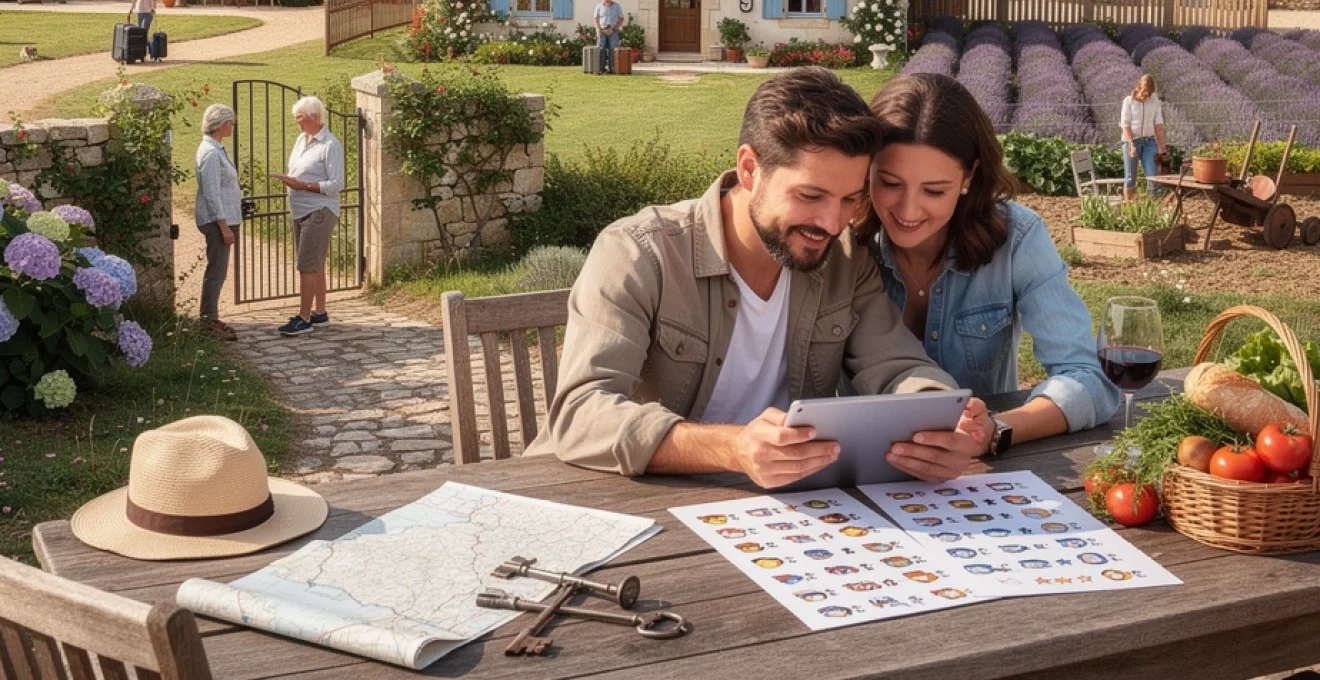
France’s countryside beckons with an irresistible charm that transcends typical tourist experiences. Choosing the perfect holiday cottage in France requires understanding the intricate classification systems, regional nuances, and authentic character markers that distinguish genuine traditional properties from commercialised alternatives. The French holiday rental market encompasses over 60,000 certified properties, each offering unique insights into local culture, architectural heritage, and time-honoured traditions. From medieval stone farmhouses in Périgord to coastal longères in Brittany, authentic French cottages provide immersive experiences that luxury hotels simply cannot replicate. The key lies in knowing how to identify genuine character properties that offer both comfort and cultural authenticity.
Understanding french holiday cottage classifications and regional terminology
The French holiday accommodation landscape operates through multiple classification systems, each serving specific purposes and maintaining distinct quality standards. Understanding these systems proves essential for selecting properties that align with authentic rural experiences rather than standardised tourist accommodations.
Gîtes de france star rating system and quality standards
The Gîtes de France network, established in 1951, represents the gold standard for rural holiday accommodations in France. Their épis (ears of corn) classification system evaluates properties across 112 different criteria, encompassing everything from architectural authenticity to modern amenities. Properties earning one épi provide basic comfort with essential facilities, whilst five-épi establishments offer exceptional luxury whilst maintaining traditional character.
The evaluation process examines surface area requirements, kitchen equipment standards, and bathroom facilities. Three-épi properties must include television access, washing machines for accommodations exceeding four guests, and microwave ovens. Four-épi classifications mandate high-speed internet connectivity, enhanced bathroom dimensions, and complimentary baby equipment. Five-épi properties require personalised on-site welcomes, included bed linens, and multilingual host capabilities.
Properties classified under the Gîtes de France system undergo mandatory re-evaluation every five years, ensuring sustained quality standards and authentic character preservation throughout their operational lifecycle.
Chambres d’hôtes vs gîtes ruraux: property type distinctions
Understanding the distinction between chambres d’hôtes and gîtes ruraux impacts both the accommodation experience and cultural immersion opportunities. Chambres d’hôtes function as bed and breakfast establishments within the owner’s primary residence, typically offering 2-5 guest rooms with included breakfast service. These properties excel at providing direct cultural exchange with local hosts who share regional knowledge and traditional recipes.
Gîtes ruraux represent fully independent holiday homes, ranging from converted barns to traditional stone cottages. These properties offer complete privacy and self-catering facilities, ideal for families seeking extended stays with flexible meal arrangements. Rural gîtes often feature period furnishings, exposed stone walls, and traditional architectural elements that preserve authentic regional character.
Clévacances and meublés de tourisme certification requirements
The Clévacances network, traditionally focused on coastal properties, employs a clés (keys) classification system similar to Gîtes de France’s épi structure. Clévacances properties undergo rigorous evaluation covering room layout, heating systems, domestic hot water provision, and environmental considerations. Their classification proves particularly valuable for identifying authentic coastal cottages in Brittany, Normandy, and Mediterranean regions.
Meublés de Tourisme classifications operate through prefectural tourism offices, providing official tourist accommodation status. These certifications ensure compliance with fire safety regulations, accessibility standards, and consumer protection requirements. Properties bearing Meublés de Tourisme status guarantee professional management standards whilst often maintaining family-owned operational structures.
Accueil paysan network properties for authentic farm experiences
The Accueil Paysan network specialises in working farm accommodations where guests experience active agricultural environments. These properties offer unique insights into traditional farming practices, seasonal agricultural cycles, and regional food production methods. Accueil Paysan hosts typically provide farm tours, participate in harvest activities, and share knowledge about sustainable farming techniques passed down through generations.
Farm-based accommodations through this network often feature rustic cott
Farm-based accommodations through this network often feature rustic cottages attached to working barns, shared meals built around farm produce, and simple but comfortable interiors that reflect everyday rural life rather than curated “country chic” design. For travellers seeking the most authentic holiday cottages in France, Accueil Paysan addresses a different need than conventional gîtes: direct contact with land, animals, and producers, and a closer understanding of how French terroir shapes both landscapes and cuisine.
Strategic regional selection based on terroir and cultural immersion
Selecting the best holiday cottage in France involves more than choosing a pretty property; it requires aligning the region’s terroir, climate, and cultural heritage with the type of experience you want. Each French region offers distinct architectural styles, local products, and traditions that will shape your stay as much as the cottage itself. By matching your expectations—whether lavender-scented evenings, medieval villages, or wild Atlantic shores—to the right area, you dramatically increase the chances of an authentic and memorable stay.
Provence-alpes-côte d’azur: mas provençaux and stone farmhouses in luberon
In Provence-Alpes-Côte d’Azur, particularly the Luberon, authentic holiday cottages often take the form of mas provençaux—traditional stone farmhouses with thick walls, terracotta roofs, and shaded terraces. These properties are designed to stay cool in summer and typically include outdoor dining areas beneath plane trees or pergolas draped with vines. When browsing listings, look for mentions of original stone facades, limewashed interiors, and clay tile floors rather than fully modern constructions imitating Provençal style.
An authentic Provençal cottage will usually sit within or near agricultural land: olive groves, vineyards, or lavender fields within a short drive. Proximity to weekly markets in villages such as Gordes, Bonnieux, or Lourmarin is crucial if you want to cook with local produce and live like a resident. For a genuinely local experience, prioritise properties that provide practical details about nearby marchés paysans, wine domaines, and seasonal activities like olive harvesting or truffle markets in winter.
Dordogne valley: medieval périgord properties with truffle hunting access
The Dordogne Valley, historically known as Périgord, is renowned for medieval stone houses, fortified farms, and village cottages clustered around Romanesque churches. Here, the most authentic holiday cottages in France often feature honey-coloured stone, steep roofs with Roman tiles, and sometimes pigeonniers (dovecotes) integrated into the property. Many of these gîtes are centuries old, carefully restored to preserve beamed ceilings and monumental fireplaces.
This region is also prime territory for gastronomic immersion, especially around truffles and duck-based cuisine. When reviewing potential rentals, pay attention to whether owners mention relationships with local trufficulteurs, winter truffle markets (Sarlat-la-Canéda, for example), or the possibility of organised truffle hunts on nearby estates. A cottage located within easy reach of the Dordogne or Vézère rivers will also provide access to canoeing, prehistoric caves, and bastide towns—key ingredients for a deep dive into Périgord’s layered history.
Loire valley château dependencies and vignerons’ cottages in sancerre
For travellers drawn to Renaissance architecture and wine, the Loire Valley offers a different kind of authenticity: château estates, manor houses, and winemakers’ cottages. Many self-catering holiday cottages in this region occupy former dependencies—once used as stables, workers’ quarters, or gatehouses on large estates—now converted into independent gîtes. These often come with access to landscaped grounds, orchards, and sometimes shared use of a pool set within walled gardens.
In wine areas such as Sancerre and Pouilly-Fumé, authentic stays often mean renting a maison de vigneron (winegrower’s cottage). These properties are usually located in or on the edge of villages, with cellars or tasting rooms either beneath the house or a short walk away. If you want to integrate wine tourism into your stay, seek cottages where the owner is an active vigneron, or where detailed information about local domains and appellations is provided in the listing; your host can often arrange tastings, cellar visits, or vineyard walks that are not available to casual visitors.
Brittany coastal longères and traditional breton stone houses in finistère
Brittany offers a rugged, maritime counterpoint to sun-soaked southern France. Along the Finistère coastline, the most authentic holiday cottages are typically longères—long, low stone houses with slate roofs and small windows, sometimes grouped around enclosed courtyards. These buildings evolved to withstand harsh Atlantic weather, and you will often find thick granite walls, deep window recesses, and large fireplaces once used for open-hearth cooking.
When evaluating Breton cottages, consider their distance to the sentier côtier (GR34 coastal path), fishing harbours, and small local creperies rather than large resort complexes. Authentic stays in Brittany usually centre on tides, lighthouses, seafood markets, and village festivals. Pay attention to whether the owner provides details about local fest-noz (traditional dance evenings), sailing clubs, or seaweed harvesting tours; such touches indicate hosts who understand that cultural immersion is as important as comfort for guests seeking a truly Breton experience.
Technical property assessment criteria for authentic character verification
Once you have chosen your preferred region, the next step is to scrutinise individual listings for signs of genuine character. Many modern houses are styled to look “rustic” in photographs, but closer inspection often reveals generic interiors and minimal connection to local heritage. By focusing on specific architectural, technical, and decorative criteria, you can distinguish truly authentic holiday cottages in France from purely decorative imitations.
Architectural heritage elements: exposed stone walls and original timber beams
Architectural details act as the skeleton of authenticity. Original stone walls, visible timber frameworks, and traditional roof structures tell you far more about a cottage’s history than any marketing description. Look for close-up photos of masonry: irregular stone sizes, lime mortar joints, and variations in colour usually indicate older construction, whereas perfectly even stone or faux cladding can suggest recent pastiche builds.
Original beams often bear tool marks, slight warping, and a patina that no modern stain can replicate. In loft rooms, exposed charpente (roof structure) is a strong indicator that the property retains its historic form. If the listing mentions complete internal restructuring or “total modernisation,” ask the owner what was preserved. A balance is ideal: original floors and beams combined with sound insulation and secure windows. You might think of it like a classic car with a new engine—what matters is that the outward form and driving feel remain faithful to the original.
Traditional heating systems: wood-burning stoves and radiator configurations
Heating systems may not be the most glamorous aspect of your search, but they reveal a great deal about both comfort and authenticity. Many historic cottages were built around a central fireplace or poêle à bois (wood-burning stove), which still forms the heart of the living space. A functioning stove backed by stone or brickwork not only provides efficient heat in shoulder seasons but also reinforces the traditional ambiance during cooler evenings.
At the same time, you should verify that the property meets modern comfort expectations. Ask how the cottage is heated: is there oil or gas central heating with radiators in every bedroom and bathroom, or does the owner rely solely on the stove? In mountainous or northern regions, relying only on a fireplace can be romantic in theory but uncomfortable in reality. Think of heating as the invisible infrastructure that allows you to enjoy thick stone walls and old tiles without sacrificing warmth or practicality.
Kitchen equipment standards: regional cookware and local market proximity
Authentic self-catering holidays in France revolve around food, so the kitchen becomes a key indicator of how well a property supports daily life. Beyond the basics (oven, hob, fridge, and decent cookware), look for signs that the kitchen is set up for local cuisine: heavy cast-iron casseroles for daube provençale, large stockpots for shellfish in Brittany, or cocottes and terrines in Périgord. A kitchen equipped only with minimal pans and dull knives often signals a property designed around short, hotel-style stays rather than immersive cooking.
Equally important is the cottage’s relationship to local food sources. Does the listing mention the distance to the nearest weekly market, bakery, or farm shop? Are there recommendations for cheese producers, wine domaines, or butchers? You can think of the kitchen and nearby market as two halves of the same experience: one provides the tools, the other the ingredients. When both are present and thoughtfully described, you are far more likely to enjoy a genuinely local, self-catered holiday.
Period furnishing authentication and antique interior features
Furnishings and interior décor complete the picture, but they require a discerning eye. Many owners incorporate antique-style furniture or reproduction pieces; this can still be attractive, but if you are seeking a truly authentic cottage, look for genuine period items with visible age: slightly worn table edges, hand-carved chair backs, or armoires with traditional hardware. Listings that refer to “family heirlooms” or “original farm furniture” are often a promising sign, especially if backed by clear photos.
Be cautious, however, of interiors overloaded with decorative objects at the expense of comfort. Authentic does not mean impractical: mattresses should be modern and supportive, and sofas should invite you to relax after a day of exploring. If in doubt, ask the owner when the beds and seating were last replaced. The ideal holiday cottage in France balances heritage and usability—much like a museum you’re actually encouraged to live in, not just admire from the doorway.
Garden and outdoor space authenticity: potagers and traditional landscaping
Outdoor areas can be just as revealing as interiors when it comes to authenticity. Traditional rural properties often include a potager (vegetable garden), fruit trees, and sometimes small outbuildings such as bread ovens or wells. A garden that blends ornamental borders with herbs and vegetables suggests a living, evolving space rather than a purely decorative lawn installed for rental photography.
Pay attention to how the outdoor space is described: is it an enclosed stone-walled courtyard typical of village houses, or open land bordered by hedgerows and meadows? Are there references to local plant species, dry-stone walls, or original paving? Properties that integrate discreet outdoor lighting, well-maintained seating areas, and safe access to pools or ponds usually strike the right compromise between rustic charm and contemporary expectations—especially important if you are travelling with children or older relatives.
Booking platform analysis and direct owner communication strategies
Once you have identified a shortlist of promising cottages, the next challenge is choosing how to book. Large international platforms offer vast inventory but can dilute the very authenticity you are seeking, with standardised listings and higher service fees. By contrast, specialist French networks and direct booking with owners often provide more detailed information, fairer pricing, and a stronger sense of trust—key when reserving a property that may be hundreds of kilometres away.
For authentic holiday cottages in France, consider using French classification networks such as Gîtes de France, Clévacances, or regional tourism boards as a starting point, then compare any duplicate listings on wider platforms. This allows you to assess consistency of information and sometimes secure better terms by booking direct. When contacting owners, ask targeted questions: how long have they owned the property, what work has been done to preserve original features, and which local experiences they personally recommend? The specificity and enthusiasm of their answers can tell you as much as the photos.
Direct communication also allows you to clarify practical details that listings often gloss over: exact bed configurations, heating costs in winter, pool security standards, or accessibility for guests with limited mobility. It is wise to request a copy of the rental contract in advance and ensure it references official classifications (Gîtes de France épis, Meublé de Tourisme stars, or Clévacances clés) where applicable. By taking a methodical approach—cross-checking platforms, verifying certifications, and speaking with owners—you greatly reduce the risk of unpleasant surprises on arrival.
Seasonal pricing optimisation and local event calendar integration
Authenticity does not only depend on where you stay, but also when you go. The same cottage in Provence can feel very different in early June, when lavender begins to bloom and markets are bustling yet calm, compared with mid-August, when crowds and high temperatures peak. Understanding regional seasonality helps you secure better value, avoid over-tourism, and align your stay with local festivals, harvests, or cultural events.
Broadly, July and August remain peak months across most of France, with school holidays driving up demand and prices, especially for cottages with pools and coastal locations. Shoulder seasons—May, June, and September—often offer the sweet spot for authentic experiences: markets are fully active, restaurants open, and landscapes at their best, but prices can be 20–30% lower than high season. In wine regions or areas with strong autumn traditions (truffle season in Périgord, grape harvest in the Loire, chestnut festivals in Ardèche), late September and October can be particularly rewarding.
Integrating local event calendars into your planning can transform a simple rental into a themed stay. Check regional tourism websites for information on food festivals, music events, village fairs, and heritage days (Journées du Patrimoine) when châteaux and private estates open to the public. When querying owners, ask which events they personally recommend in your travel window; hosts deeply rooted in their communities will often suggest experiences—small village fêtes, producer open days, or guided walks—that never appear in mainstream guides. With a bit of flexibility on dates, you can often secure the same authentic holiday cottage in France at a lower rate while gaining access to richer local culture.
On-site authenticity verification and cultural activity access points
Even with careful research, the real test of an authentic cottage begins when you arrive. The first hour on site is crucial: does the property match the photos, do you sense that it is regularly and lovingly maintained, and does the surrounding area reflect the rural or village life you were hoping to experience? Take a moment to walk through each room, step into the garden, and listen—can you hear church bells, distant tractors, or the sea, rather than only traffic or late-night bars?
A good host will use check-in to share practical information and cultural access points: directions to markets and bakeries, the best times to visit local attractions, and tips for avoiding crowds. This is the ideal moment to ask about experiences aligned with the property’s setting: farm visits if you are staying on agricultural land, vineyard tours near wine regions, or coastal walks and sailing options in maritime areas. Often, your host can facilitate introductions to neighbours, producers, or guides, opening doors that remain closed to casual visitors.
As you settle in, small details will confirm whether the holiday cottage truly reflects its region: local guidebooks on the shelves, maps marked with handwritten notes, or a welcome basket featuring nearby producers. Authentic stay experiences are rarely accidental; they result from owners who consciously curate both their property and its connections to the surrounding community. By observing these cues and engaging with the people and places around you, you transform a simple rental into what many travellers are really seeking—a temporary home woven into the fabric of rural France.