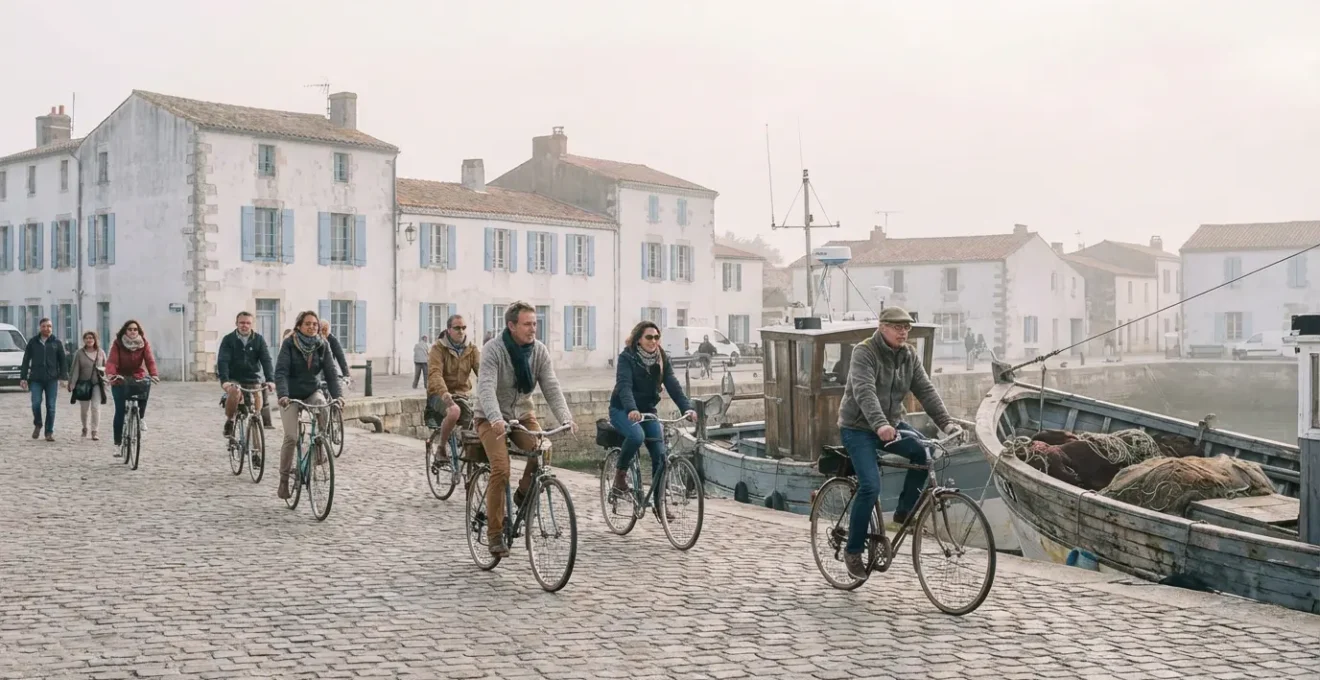
When I first stepped off the ferry at La Flotte, a French couple asked if I was lost. “You know this is Île de Ré, not Biarritz?” They could not believe a British travel writer would choose their island over the glamorous surf coast further south. That was a decade ago. These days, the secret is very much out—and finding the right Île de Ré vacation rental has become a competitive sport.
Île de Ré Rentals in 60 Seconds:
- Weekly rentals average US$ 1,600 mid-season, jumping to US$ 2,500+ in July and August
- The island has 10 villages—pick based on your holiday style, not just photos
- Book by January for peak summer; April means slim pickings
- A car is optional—138 kilometres of cycle paths connect everything
Why Île de Ré Has Become the French Island Everyone Wants to Visit
138km
of dedicated cycle paths across 10 villages
Travellers I have spoken with often describe Île de Ré as the French answer to Martha’s Vineyard—except with better bread and fewer hedge fund managers. That comparison does capture something: the whitewashed villages, the salt marshes, the understated luxury. According to official tourism data on cycling infrastructure, the island features 138 kilometres of cycle paths connecting all 10 villages, with no distance between any two exceeding 10 kilometres.
The honest trade-off? This popularity has consequences. The island earned its “French Hamptons” tag because prices reflect demand. Premium properties for July and August often book out by February. If you are flexible on dates, September offers the same sunshine with half the crowds and noticeably lower rates.
What the brochures do not tell you: the island is 30 kilometres long but only 5 kilometres wide. You can cycle from the bridge to the lighthouse at the northern tip in under two hours. Everything feels close—which matters when you are choosing where to stay.
Picking Your Village: Where to Stay Depends on Who You Are
Having recommended this island for years, the mistake I see most frequently is travellers choosing a property because it looks stunning in photos without checking which village it sits in. Each of the 10 villages has a distinct personality. Pick the wrong one and you will spend your holiday cycling to where the action is rather than stepping out your front door.
Which Village Suits Your Holiday Style?
-
Families with children under 12:
Head for La Flotte or Le Bois-Plage-en-Ré. Both offer sandy beaches within walking distance, restaurants that welcome kids, and that essential ingredient—ice cream shops.
-
Couples seeking harbour-side romance:
Saint-Martin-de-Ré or the quieter Loix. Aperitifs watching the boats come in, candlelit dinners, morning coffee at the market.
-
Upmarket quiet retreat:
Les Portes-en-Ré at the northern tip. Beautiful but isolated—expect to cycle or drive for restaurants.
-
Beach access as top priority:
Rivedoux-Plage (closest to the bridge) or Le Bois-Plage-en-Ré (the island’s largest beach stretch).
La Flotte, listed as one of the Most Beautiful Villages of France according to the tourism board village profile, offers the best balance for first-timers: a lively port, excellent market, and genuine village atmosphere without feeling remote. If you want more buzz and UNESCO-certified history, the Saint-Martin-de-Ré official guide confirms the town’s UNESCO World Heritage fortifications make it the island’s main draw for architecture lovers.
The Surrey Couple Who Picked the Wrong Village
I advised Mark and Sarah, a retired couple from Surrey, on their first Île de Ré trip in 2023. They were initially drawn to Les Portes-en-Ré because of its prestigious reputation. Sounded perfect—until they arrived and realised the village suits younger, car-owning crowds who want isolation. They craved harbour-side café culture and evening strolls. After three nights, they relocated to Saint-Martin-de-Ré and described the move as “saving the holiday.” The lesson? Prestige and personality are not the same thing.
For those researching cottage stays on Île de Ré, the village choice often matters more than the property itself. A modest cottage in the right spot beats a stunning villa in the wrong one.
What US$ 1,500 Gets You Versus US$ 10,000: The Honest Price Breakdown
This is the part that frustrates me about most rental guides: they quote price ranges without explaining what actually changes between the bottom and top. According to pricing analysis by Holidu, peak season rates in July and August average around US$ 328 per night—roughly US$ 2,300 per week. But that is just an average. The reality spans from US$ 1,300 for a simple cottage to US$ 15,000+ for seafront villas with pools.
| Price Tier (Weekly) | Typical Property | Location | Pool | Best For |
|---|---|---|---|---|
| US$ 1,300–2,000 | 2-bed cottage or apartment | Village edge, 10–15 min cycle to beach | No | Couples, budget-conscious families |
| US$ 2,000–4,500 | 3–4 bed house with garden | Near village centre or beach | Sometimes | Families wanting space and location |
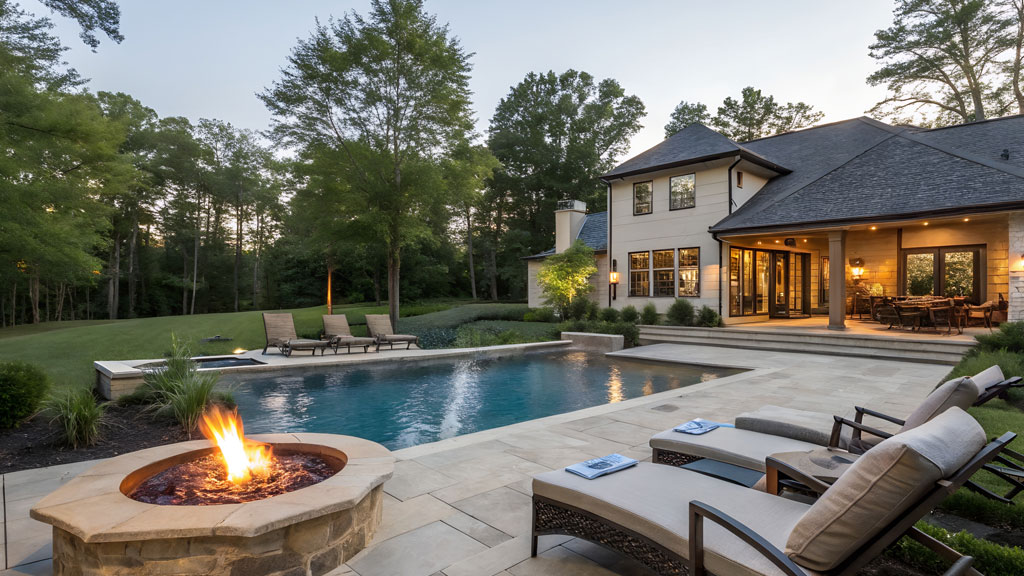
| US$ 4,500–10,000+ | Large villa, 4+ beds | Prime spot or waterfront | Yes, often heated | Groups, multigenerational holidays |
My take: the sweet spot for most British families sits around US$ 2,500–3,500 per week. That gets you a proper house (not an apartment), walking distance to a beach or village, and possibly a private pool. Below that, you sacrifice location or space. Above that, you are paying for waterfront views or enough bedrooms to host the extended family.
When browsing Île de Ré rentals, pay close attention to the “distance to beach” figure. Properties marketed as “near the beach” can mean anything from 200 metres to a 20-minute walk. Ask for specifics before booking.
Your Questions About Île de Ré Rentals Answered
Your Île de Ré Rental Questions
When should I book for summer availability?
Premium properties for July and August typically release in November and book by January. February to March offers decent mid-range availability. By April, you are looking at last-minute gaps and less desirable locations. For June or September, you have more flexibility—booking two to three months ahead usually works.
Is a car necessary on Île de Ré?
Honestly? No. The island has 138 kilometres of cycle paths, the terrain is completely flat, and bikes have right of way over cars. Most holiday homes include bicycles or you can hire them cheaply on arrival. A car becomes useful only if you have very young children, mobility issues, or plan frequent trips to La Rochelle.
What is typically included in the rental price?
Standard inclusions: linens, towels, equipped kitchen, WiFi. Common extras charged separately: end-of-stay cleaning (expect €80–150), pool heating, bicycle hire. Always check before booking—some listings include everything while others add €200+ in fees. For a complete breakdown of what to expect, the perks of all-inclusive rentals guide explains the differences.
Are the beaches really worth the premium prices?
Yes and no. The beaches are genuinely excellent—long stretches of fine sand, clean water, rarely overcrowded even in August. But if beaches are your only priority, you could find similar quality on the Vendée coast for 30% less. What you pay for on Île de Ré is the combination: charming villages, cycling culture, excellent food, and that particular French Atlantic light.
-
Premium July–August properties released and booked quickly -
Good mid-range availability remains -
Last-minute gaps only for peak summer -
Shoulder season still available with flexibility
Your next step: Decide on your village first, budget second. The property photos can seduce you, but where you wake up each morning determines the holiday. If La Flotte sounds right for your first visit, start your search there—and book before February if you want peak summer.