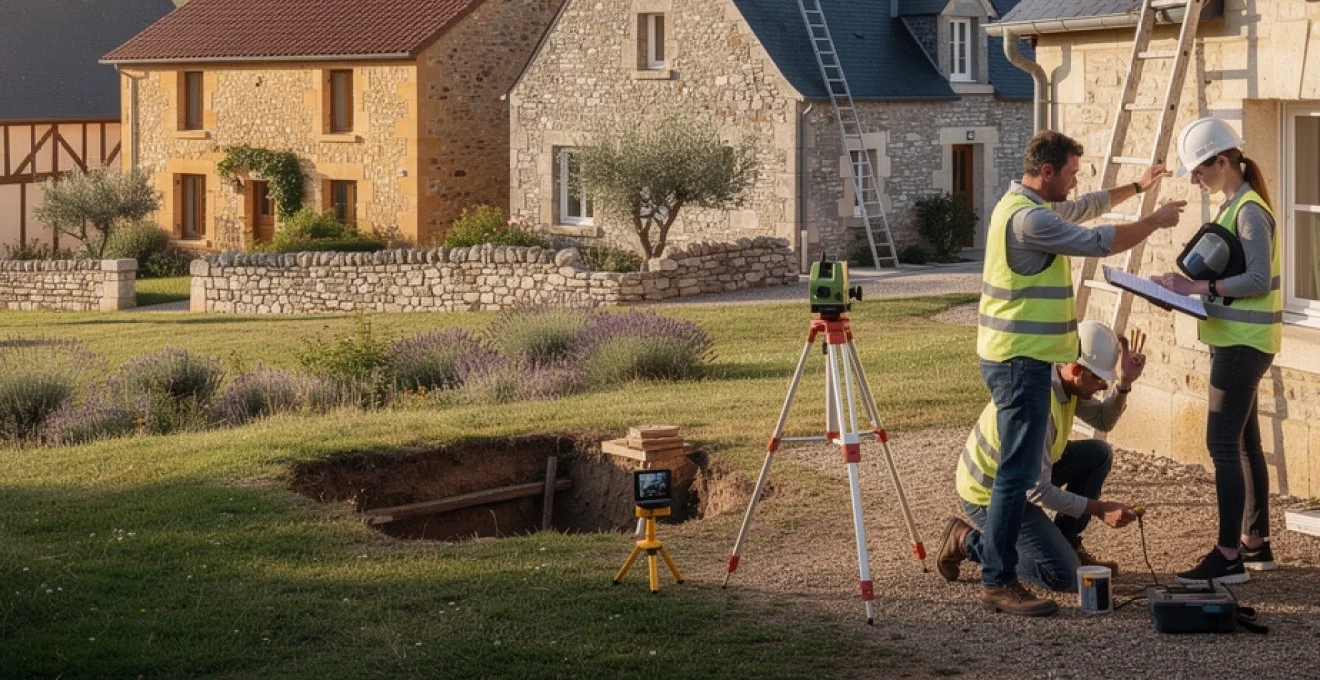
French rural properties embody centuries of architectural heritage, with each region developing distinctive building techniques that reflect local materials, climate conditions, and cultural traditions. When evaluating cottage quality and structural integrity, property owners and potential buyers must navigate a complex landscape of classification systems, building codes, and assessment methodologies that have evolved alongside France’s rich architectural legacy. Understanding these standards becomes crucial whether you’re considering purchasing a historical property, planning restoration work, or seeking official classification for rental purposes.
The French approach to cottage assessment combines traditional craftsmanship appreciation with modern safety requirements, creating a comprehensive framework that protects both architectural heritage and occupant welfare. This multifaceted system encompasses everything from regional building variations to energy performance certifications, ensuring that rural properties meet contemporary standards while preserving their historical authenticity.
French cottage architectural classification systems and regional variations
France’s diverse geographical landscape has given rise to distinct regional architectural styles, each with specific quality standards and construction requirements. These variations reflect not only aesthetic preferences but also practical adaptations to local climate conditions, available materials, and historical building practices. Understanding these regional differences proves essential when assessing cottage quality, as standards that apply in one region may be entirely inappropriate for another.
The classification of French cottages often begins with identifying their regional architectural style, which determines the appropriate assessment criteria and restoration guidelines. Regional building authorities maintain specific databases that catalogue traditional construction methods, approved materials, and quality benchmarks for each architectural style. This systematic approach ensures that restoration work maintains historical authenticity while meeting modern safety standards.
Normandy Half-Timbered cottage construction standards and colombage techniques
Norman cottages featuring colombage construction represent one of France’s most recognisable architectural styles. These half-timbered structures require specialised assessment techniques that evaluate both the timber framework integrity and the infill materials’ condition. Quality standards for Norman cottages focus heavily on the oak timber frame’s structural soundness, with particular attention paid to joint connections and moisture-related deterioration.
Traditional colombage techniques involve complex joinery methods that distribute structural loads throughout the timber framework. Modern assessment protocols examine these joints for signs of movement, decay, or inappropriate repairs that might compromise structural integrity. The infill materials, typically comprising torchis (a mixture of clay, straw, and horsehair) or brick, undergo separate evaluation for thermal performance and weather resistance.
Provence stone cottage specifications and traditional mas building codes
Provençal stone cottages, including traditional mas farmhouses, follow construction standards adapted to the Mediterranean climate’s intense heat and occasional severe weather events. These properties typically feature thick limestone or sandstone walls that provide excellent thermal mass, requiring assessment protocols that evaluate both structural stability and thermal performance characteristics.
Quality benchmarks for Provence cottages emphasise the integrity of stone mortar joints, which must withstand significant thermal expansion and contraction cycles. Assessment procedures examine pointing condition, stone weathering patterns, and drainage systems that protect against water infiltration during intense rainfall periods. The traditional tile roofing systems also undergo specific evaluation for wind resistance and thermal performance.
Brittany granite cottage requirements and breton regional building regulations
Breton cottages constructed from local granite present unique assessment challenges due to the material’s exceptional durability combined with the region’s harsh maritime climate. Quality standards for these properties focus on weatherproofing systems, particularly around openings and roof junctions where salt-laden winds can cause rapid deterioration of vulnerable materials.
Granite construction techniques in Brittany traditionally emphasise massive wall construction with minimal mortar use, relying instead on precise stone cutting and dry-stone techniques. Modern assessment protocols evaluate the stability of these constructions while considering the effects of coastal weathering and potential ground movement from clay subsoils common in the region.
Loire valley tuffeau stone cottage standards and UNESCO heritage compliance
Loire Valley cottages constructed from tuffeau limestone operate under enhanced quality standards due to many properties’ inclusion within UNESCO World Heritage sites. These soft limestone structures require careful assessment of stone weathering, particularly freeze-thaw damage that can rapidly compromise structural integrity.
Heritage compliance requirements add additional layers to quality assessment, with restoration work requiring approval from
Heritage compliance requirements add additional layers to quality assessment, with restoration work requiring approval from local Architectes des Bâtiments de France and, where applicable, UNESCO advisory bodies. Owners must demonstrate that any interventions on tuffeau cottages respect original stone dimensions, joint profiles, and traditional lime-based mortars. In many cases, this means sourcing stone from historic quarries or certified equivalents and documenting every stage of the work. For buyers, understanding these obligations is crucial: while they preserve the Loire Valley’s unique character, they also impact renovation timelines, budgets, and the range of alterations that planning authorities will accept.
Structural integrity assessment methods for french rural properties
Beyond regional aesthetics, the standing and quality of a French cottage depend on rigorous structural integrity checks. Professional surveyors and structural engineers apply a combination of visual inspection, non-destructive testing, and documentary research to understand how a rural property has performed over time. For older cottages, this process often reveals several “construction lives” layered on top of one another, with extensions, repairs, and changes of use that all affect stability.
Because many French rural properties predate modern building codes by centuries, assessments rarely rely on a single indicator. Instead, inspectors look for patterns: cracks, deformation, moisture, and previous repairs that may signal underlying weaknesses. You, as a buyer or owner, gain a clearer picture not only of current risks but also of future maintenance needs and potential renovation constraints.
Foundation analysis protocols for medieval cottage structures
Medieval and early-modern cottages were often built on shallow foundations or directly on compacted soil or rock, long before geotechnical surveys existed. Assessing these foundations today starts with a careful visual and dimensional survey of the building’s footprint, noting settlement patterns, uneven floors, and distortions in door and window openings. Think of it as reading the building’s “body language”: subtle tilts and misalignments often say more than what you can see at ground level.
Where necessary, surveyors may use targeted trial pits or endoscopic cameras to inspect foundation depth and composition without excessive destruction. In clay-rich or sloping terrains, they will also analyse drainage patterns and vegetation (such as large trees near the walls) that can destabilise old foundations through root action or soil shrinkage and swelling. When serious concerns arise, a structural engineer may recommend underpinning, micro-piles, or improved surface water management to stabilise the structure while respecting its historic character.
Timber frame load-bearing capacity evaluation using AFNOR standards
Timber frames are the spine of many French cottages, particularly in Normandy, Alsace, and parts of the South-West. Evaluating their load-bearing capacity involves both traditional know‑how and modern reference frameworks such as relevant AFNOR standards for structural timber. Inspectors begin by mapping the entire frame: posts, beams, braces, and their connections, checking for deformation, notching, and signs of overloading under roof or floor structures.
Non-destructive techniques, such as resistance drilling or ultrasound, can assess internal decay in key elements without removing them, a bit like a medical scan for the building’s skeleton. Where structural capacity is doubtful, calculations based on AFNOR guidelines help determine whether reinforcements, sister beams, or partial replacements are required. The aim is to preserve as much original timber as possible while ensuring that the frame safely carries current and future loads, including any planned changes such as heavier roof coverings or added insulation.
Roof structure assessment following DTU 31.2 technical guidelines
The roof structure plays a critical role in a cottage’s long-term stability, especially in regions with heavy snow, strong winds, or intense sun. In France, technical documents such as DTU 31.2 provide reference guidelines for timber construction, which surveyors use as a benchmark when assessing older frameworks. They look at the geometry of the trusses, rafters, and purlins, checking for sagging, twisting, or localised crushing at bearing points.
Particular attention is given to the interface between roof structure and walls, where historic cottages sometimes suffer from spreading forces that push masonry outward. Inspectors also evaluate the compatibility of the old framework with modern interventions like roof windows, photovoltaic panels, or upgraded insulation. If you plan to convert an attic into living space, a detailed analysis of the roof’s load path and the condition of its connections is indispensable to avoid compromising structural safety during and after works.
Wall moisture content testing and hygrothermal performance analysis
Moisture is one of the most common threats to French rural properties, affecting everything from stone and timber durability to indoor air quality. Wall assessments typically combine visual inspection (staining, salt efflorescence, blistered paint) with targeted moisture meter readings taken at different heights and orientations. This helps distinguish between rising damp, penetrating rainwater, and condensation problems, each of which requires a different remedial strategy.
For heritage cottages, experts increasingly consider hygrothermal performance—how walls manage both heat and moisture over time. Unlike modern cavity walls, traditional stone or earth walls “breathe”, allowing water vapour to migrate through the structure. Adding impermeable products (cement render, non‑breathable insulation) can be as harmful as wrapping a living organism in plastic. Hygrothermal simulations and in‑situ monitoring allow professionals to design compatible insulation and finishing systems that improve comfort and energy performance without trapping moisture within the historic fabric.
French building code compliance for heritage cottage restoration
Restoring a French heritage cottage means working at the intersection of tradition and regulation. On one side, there is the desire to respect original materials and craftsmanship; on the other, a legal framework that sets minimum standards for safety, sanitation, and energy performance. The main reference is the Code de la Construction et de l’Habitation, supported by numerous DTU technical documents and local planning rules such as PLU (Plan Local d’Urbanisme).
When a property is listed or located in a protected area (secteur sauvegardé or within the perimeter of a historic monument), additional controls apply. Applications for planning permission and building permits are reviewed not only by the town hall but often by the Architecte des Bâtiments de France, who ensures that proposed works respect the site’s heritage value. For owners, early dialogue with these authorities can save time and avoid costly redesigns: simple details like window dimensions, roof slope, and façade finishes can make the difference between approval and refusal.
Compliance is not limited to structure and appearance. Fire safety, accessibility (for certain types of public or rental use), electrical norms (NF C 15‑100), and sanitation standards also come into play. If you plan to operate a gîte or chambre d’hôtes, regulations may require additional safety equipment, emergency exits, and clear information for guests. While this can seem complex at first glance, think of the process as a roadmap: once you know which rules apply, you can prioritise works and budget more realistically.
Energy performance certification requirements under RT 2012 regulations
Energy efficiency has become a central element in evaluating the quality and standing of French cottages. The RT 2012 thermal regulations, now evolving towards RE 2020 for new constructions, set ambitious targets for energy consumption in housing. While many heritage cottages are exempt from strict RT 2012 compliance for structural reasons, they are still subject to Diagnostic de Performance Énergétique (DPE) requirements when sold or rented.
The DPE rates a property from A to G based on estimated annual energy consumption and greenhouse gas emissions. For older rural properties, initial ratings are often in the lower bands, reflecting single glazing, minimal insulation, and outdated heating systems. However, incremental improvements—roof insulation with breathable materials, upgraded windows, high-efficiency boilers or heat pumps, and better airtightness—can significantly improve performance without erasing the building’s character. In many regions, grants and tax incentives support such renovations, especially when they reduce energy use and carbon emissions.
For buyers and investors, the DPE is more than a bureaucratic formality; it is a tool to anticipate running costs and future renovation obligations. French policy increasingly links rental regulations and financing conditions to energy performance: properties with very poor ratings may face restrictions on rent increases or even on their rental use in the coming years. Planning energy upgrades from the outset therefore protects both your comfort and the long‑term value of your cottage.
Professional survey methodologies for french cottage valuation
Accurately valuing a French cottage requires more than a quick glance at market prices per square metre. Professional surveyors combine technical diagnostics, legal measurements, and an understanding of local demand to arrive at a realistic figure. For rural properties, aspects such as outbuildings, land, renovation potential, and official classifications (for example as meublé de tourisme) can significantly influence value.
Methodologically, surveys typically begin with a detailed on-site inspection, supplemented by analysis of cadastral plans, planning history, and any existing diagnostics. The aim is to identify both the property’s strengths—authentic materials, good energy performance, quality of setting—and its weaknesses, such as structural defects or non-compliance with current regulations. For you as a buyer or seller, a thorough survey provides a transparent basis for negotiation and budgeting.
CERQUAL habitat certification process for rural properties
While often associated with new-build housing, CERQUAL certifications such as NF Habitat and NF Habitat HQE increasingly interest owners who aim for high-quality renovation projects in rural areas. These labels provide an independent evaluation of a property’s comfort, durability, and environmental performance, going beyond minimum legal standards. They consider aspects such as acoustic insulation, indoor air quality, energy efficiency, and construction quality monitoring.
For a cottage renovation, obtaining such certification involves a structured process: design studies, documentation of materials and systems, intermediate inspections, and final audits. It may feel a bit like putting your project through a rigorous exam, but in return you gain a recognised quality mark that reassures buyers, tenants, and financial institutions. In some cases, certified projects also benefit from preferential financing conditions or increased eligibility for public subsidies dedicated to sustainable renovation.
Expert diagnostic protocols following loi carrez measurement standards
Accurate measurement is crucial in French property transactions, particularly in co-owned structures, where the Loi Carrez defines how habitable surface area must be calculated. While many standalone rural cottages fall outside strict Loi Carrez obligations, professionals still use its principles as a benchmark for transparent surface reporting. Only areas with a ceiling height of at least 1.80 m and enclosed, covered spaces are counted, excluding certain attics, cellars, and outbuildings.
During surveys, experts will distinguish between surface habitable, surface utile, and ancillary areas, as these categories influence market value and legal documentation. You might, for example, discover that a romantic attic room marketed as a bedroom does not fully qualify under Carrez criteria, which has implications for declared surface and pricing. Understanding these measurement standards helps avoid disputes after the sale and ensures that you compare properties on a like-for-like basis.
Termite and pest inspection requirements under loi boutin guidelines
In many parts of France, especially the South-West and certain Atlantic regions, termites and wood‑boring insects pose a serious risk to timber structures. Termite diagnostics are mandatory in designated zones, and reports must be provided during the sale process. Although often associated with Loi Boutin—better known for defining minimum surface for rentals—these pest inspections form part of the broader package of diagnostics that underpin safe and decent housing.
Inspectors check accessible structural timbers, floor voids, and external landscaping that could harbour colonies. If activity is detected, treatment strategies may include soil injections, bait systems, or targeted timber replacement, all of which must comply with approved environmental and safety standards. For owners planning to rent out a cottage, remaining up to date with these reports not only meets legal obligations but also protects your long‑term investment, as serious infestations can lead to significant structural damage if left unchecked.
Asbestos and lead paint testing compliance for pre-1949 cottages
Many French cottages built or renovated before the second half of the 20th century contain materials that are now strictly regulated, particularly asbestos and lead-based paints. Asbestos was used in roofing, insulation, and floor tiles, while lead paint commonly appears on window frames, doors, and interior joinery. For properties constructed before 1949, a Constat de Risque d’Exposition au Plomb (CREP) is mandatory on sale or rental, and asbestos diagnostics are required for any building with components dating from before 1997.
Professional testing identifies the presence, condition, and risk level of these materials, guiding safe management or removal strategies. In many cases, stable, encapsulated asbestos may be left in place with monitoring, while flaking lead paint in areas accessible to children must be treated more urgently. If you envisage major renovations, these diagnostics become even more important, since disturbing hazardous materials without proper precautions can endanger workers and occupants and lead to legal consequences. Building a realistic budget means factoring in potential specialist removal and compliance costs from the outset.
Quality benchmarking against french national housing standards
Ultimately, assessing the standing and quality of a French cottage means benchmarking it against national housing standards as well as regional and heritage expectations. National frameworks such as the criteria for logement décent, DPE energy ratings, and safety diagnostics create a baseline below which no property should fall. At the same time, regional architectural norms, local planning rules, and optional labels (like meublé de tourisme stars or Gîtes de France épis) allow you to position a cottage in terms of comfort, character, and market appeal.
For owners and buyers, a structured approach works best. Start by verifying that the cottage meets all mandatory national standards: structural safety, sanitation, electrical security, and basic energy performance. Then, consider your goals—primary residence, holiday home, rental investment—and identify which additional benchmarks matter most, whether that is a high DPE rating, official tourist accommodation classification, or environmental labels. By layering these criteria, you build a clear roadmap for upgrades and can make informed decisions about where to invest for the greatest impact on comfort, safety, and long-term value.