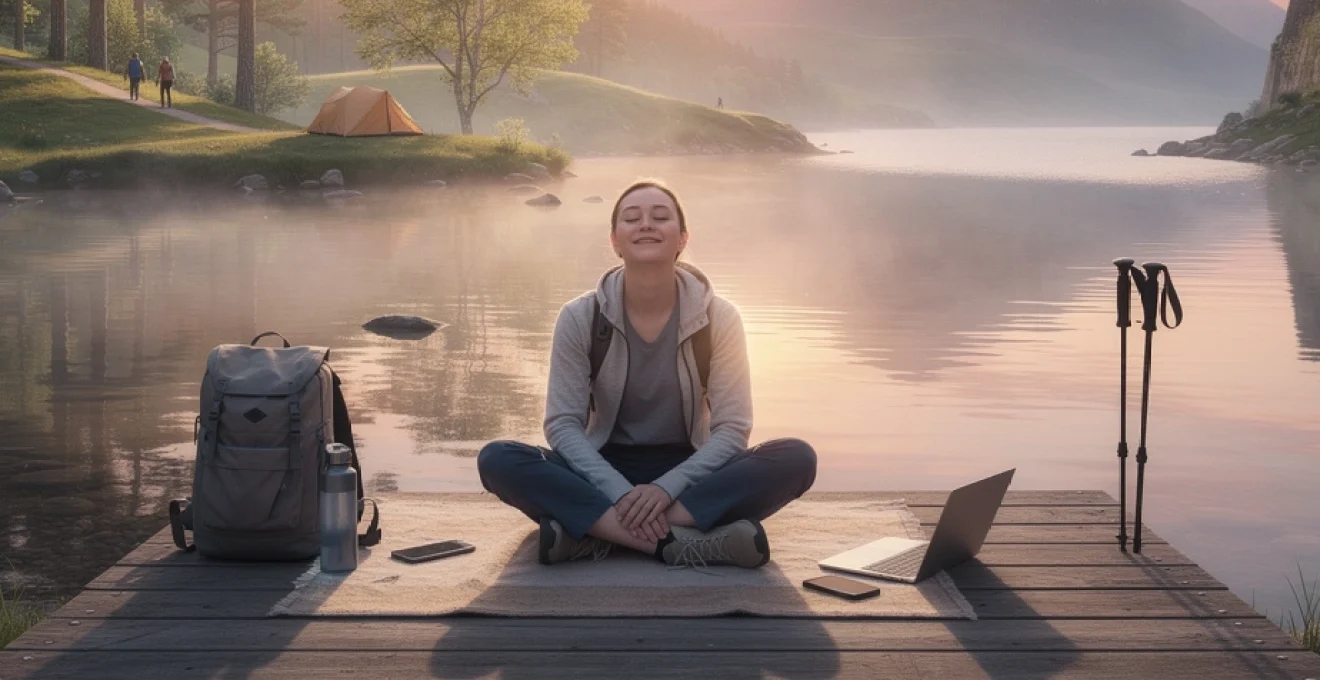
The modern world has created an unprecedented disconnection between humans and the natural environment, yet emerging scientific evidence reveals that this separation may be undermining our fundamental wellbeing. Recent research demonstrates that structured exposure to natural environments can produce measurable improvements in cognitive function, emotional regulation, and physical health markers that persist long after returning to urban environments. As workplace stress reaches epidemic proportions and mental health challenges continue to rise across developed nations, the therapeutic potential of nature-based holidays represents both an accessible and scientifically validated intervention for comprehensive restoration.
The concept of restorative holidays extends far beyond traditional notions of relaxation, encompassing complex neurobiological processes that actively repair the physiological and psychological damage inflicted by chronic stress exposure. Understanding these mechanisms enables holidaymakers to design experiences that maximise therapeutic outcomes whilst simultaneously contributing to sustainable tourism practices that preserve the very environments upon which this restoration depends.
Neurological and psychological restoration through natural environment exposure
The human brain’s response to natural environments involves intricate neural networks that facilitate both immediate stress relief and longer-term cognitive enhancement. Contemporary neuroscience has identified specific mechanisms through which exposure to green spaces triggers measurable changes in brain activity, offering compelling evidence for nature’s role as a therapeutic intervention rather than merely a pleasant diversion.
Attention restoration theory and cognitive recovery mechanisms
Attention Restoration Theory, developed through decades of environmental psychology research, demonstrates that natural environments possess unique characteristics that enable the restoration of directed attention capacity. Unlike urban environments that demand constant vigilance and cognitive filtering, natural settings engage what researchers term soft fascination – a form of attention that requires minimal effort whilst simultaneously allowing depleted cognitive resources to recover. This process operates through four key mechanisms: being away from routine stressors, experiencing fascination with natural phenomena, achieving mental compatibility with the environment, and gaining a sense of extent or scope beyond immediate concerns.
Studies utilising neuroimaging technology reveal that participants exposed to natural environments show increased activity in the brain’s default mode network, associated with creative thinking and self-reflection, whilst simultaneously demonstrating reduced activation in the prefrontal cortex regions responsible for effortful concentration. This neurological shift enables the restoration of cognitive resources that become depleted through sustained attention to demanding tasks, effectively recharging mental capacity for enhanced performance upon return to structured environments.
Cortisol reduction and stress hormone regulation in wilderness settings
Wilderness exposure produces profound changes in hypothalamic-pituitary-adrenal axis functioning, the body’s primary stress response system. Research consistently demonstrates that individuals spending extended periods in natural environments experience significant reductions in salivary cortisol levels, with effects persisting for weeks after the nature-based intervention concludes. These hormonal changes correspond with measurable improvements in immune function, cardiovascular health, and emotional regulation capacity.
The magnitude of cortisol reduction achieved through wilderness holidays often exceeds that produced by pharmaceutical interventions, yet without the adverse side effects associated with synthetic stress management approaches. Participants in forest-based holiday programmes show average cortisol reductions of 30-50% compared to baseline measurements, with corresponding decreases in inflammatory markers and improvements in sleep architecture that suggest comprehensive physiological restoration rather than temporary relaxation.
Dopamine and serotonin enhancement through biophilic interactions
Natural environments facilitate neurotransmitter regulation through multiple sensory pathways that activate the brain’s reward and wellbeing systems. Exposure to natural soundscapes, particularly those involving water features and bird vocalisations, triggers increased dopamine production whilst simultaneously reducing activity in brain regions associated with rumination and negative thought patterns. This neurochemical response explains the immediate mood elevation experienced during nature-based holidays and contributes to longer-term improvements in emotional resilience.
Serotonin enhancement occurs through multiple mechanisms during wilderness holidays, including increased exposure to natural light, physical activity in varied terrain, and reduced exposure to artificial environmental stressors. The combination of these factors creates an optimal neurochemical environment for mood stabilisation and emotional recovery, with effects that can persist for months following intensive nature-based holiday experiences.
Forest bathing (shinrin-yoku) and measurable mental health outcomes
The Japanese practice of forest bathing represents perhaps the most thoroughly researched approach to
this nature-based therapy, with multiple clinical trials documenting reductions in anxiety, depression, and perceived stress following guided sessions in forest environments. Participants typically engage in slow, intentional walking, sensory awareness exercises, and periods of quiet reflection beneath forest canopies. Measured outcomes include improvements in heart rate variability, enhanced executive functioning, and significant reductions in self-reported burnout symptoms among working adults.
Importantly, forest bathing is not about strenuous hiking or achieving fitness goals; rather, it emphasises unhurried presence and deep sensory engagement. For individuals experiencing chronic workplace stress or digital fatigue, this gentle approach can provide an accessible entry point into nature-based mental health support. Even short, structured sessions of two to three hours over a long weekend can produce meaningful changes in mood, sleep quality, and overall sense of vitality.
Circadian rhythm optimisation and sleep architecture improvements
One of the most underestimated benefits of a holiday in nature is its impact on circadian rhythm alignment and sleep architecture. Modern lifestyles dominated by artificial lighting, irregular working hours, and pervasive screen use can disrupt the body’s internal clock, leading to fragmented sleep, daytime fatigue, and reduced cognitive performance. Nature-based holidays offer an ideal context to reset these biological rhythms through consistent exposure to natural light-dark cycles and reduced evening stimulation.
By aligning daily activities with sunrise and sunset, holidaymakers can gently restore their natural sleep-wake patterns. This chronobiological realignment not only improves sleep duration and depth but also enhances daytime alertness, emotional stability, and metabolic health. In many cases, a week spent in a natural setting can achieve improvements in sleep quality that rival those of formal clinical interventions, but in a more enjoyable and holistic way.
Natural light exposure and melatonin production cycles
Exposure to bright natural light during the morning and early afternoon plays a crucial role in regulating melatonin production, the hormone responsible for signalling sleep onset. In urban environments, we often receive insufficient daylight and excessive artificial light at night, confusing the brain’s timekeeping mechanisms. Holidays in nature typically involve longer periods outdoors, which provide the high-intensity light cues needed to anchor circadian rhythms.
When you spend several days walking, cycling, or simply sitting outside in daylight, your pineal gland receives a clear message about when to produce and suppress melatonin. As a result, you may notice that you feel naturally sleepy earlier in the evening and wake more easily without an alarm in the morning. This improved alignment supports deeper slow-wave sleep, enhanced memory consolidation, and more effective overnight physical recovery.
Blue light reduction and digital detox physiological effects
Blue light emitted from smartphones, tablets, and laptops powerfully suppresses evening melatonin production, delaying sleep onset and reducing total sleep time. A holiday in nature offers the ideal conditions for a digital detox, enabling you to dramatically reduce evening screen exposure and restore healthy hormonal rhythms. By replacing late-night scrolling with stargazing, quiet reading, or conversations around a campfire, you create conditions that naturally support earlier, more restorative sleep.
Physiologically, this reduction in digital stimulation lowers sympathetic nervous system activity and allows parasympathetic processes to dominate, promoting relaxation, digestion, and tissue repair. Many people report that after just a few device-light evenings in natural surroundings, they fall asleep more quickly, experience fewer nighttime awakenings, and wake feeling more refreshed. Over the course of a week-long nature holiday, these incremental changes can accumulate into a profound reset of your sleep-wake cycle.
Temperature regulation and REM sleep quality in outdoor environments
Thermal environment is another key factor in sleep architecture, particularly in relation to REM sleep quality. Overheated bedrooms, poor ventilation, and artificial climate control can interfere with the body’s natural nocturnal temperature drop, leading to restless sleep and frequent awakenings. In contrast, many nature-based accommodations, such as cabins, tents, or well-ventilated lodges, encourage more natural fluctuations in nighttime temperature.
These gentle temperature drops support the body’s thermoregulatory processes and are associated with longer periods of uninterrupted REM sleep, the phase crucial for emotional processing and memory integration. Sleeping with a window open in a quiet rural setting, or experiencing the mild cooling of a coastal breeze, can help you cycle more smoothly through the different sleep stages. Over several nights, this improved sleep structure translates into clearer thinking, more stable moods, and a stronger sense of daytime vitality.
Chronobiology realignment through sunrise and sunset exposure
Sunrise and sunset act as powerful time-givers, or zeitgebers, that synchronise internal biological rhythms with the external environment. In everyday life, we often miss these transitions entirely, spending mornings indoors and evenings under artificial light. A holiday immersed in nature makes it far easier to witness and respond to these natural cues, whether you are watching first light over a lake or enjoying the changing colours of a mountain sunset.
Structuring your day around these natural anchors – rising shortly after dawn, engaging in outdoor activity during daylight, and winding down as darkness falls – works like a gentle reset for your internal clock. People who follow this pattern for even a short holiday frequently report improved energy stability, reduced afternoon slumps, and a more predictable appetite rhythm. In effect, the natural world provides a free, sophisticated chronobiological intervention, simply by inviting you to pay attention to its daily cycles.
Physical rehabilitation through outdoor activity integration
Beyond its psychological and neurological benefits, a holiday in nature provides an exceptionally effective environment for physical rehabilitation and functional recovery. Gentle, low-impact activities such as walking on varied terrain, swimming in natural waters, or cycling along quiet trails support cardiovascular health, joint mobility, and muscular endurance without the monotony often associated with indoor exercise regimes. For individuals recovering from periods of inactivity, illness, or desk-bound work, this combination of movement and scenery can be particularly motivating.
Outdoor activities also promote proprioceptive awareness – your sense of body position and movement – which is vital for balance and injury prevention. Navigating uneven paths, stepping over roots, or adjusting to soft sand engages stabilising muscles that remain underused on flat indoor floors. Compared to a conventional gym setting, nature-based movement offers continuous micro-challenges that enhance coordination and functional strength, making it an ideal complement to physiotherapy programmes or personal rehabilitation goals.
Specific natural destinations for therapeutic recovery experiences
While almost any natural setting can support restoration, certain destinations offer particularly rich opportunities for therapeutic experiences due to their unique landscapes and established trail networks. Within the UK, several regions stand out as ideal locations for a holiday in nature that combines scenic immersion with accessible activities. From upland fells to dramatic coastlines, these environments provide diverse options for designing a recovery-focused break tailored to your preferences and physical capacities.
When selecting a destination, it can be helpful to consider not only the visual appeal but also the types of movement and levels of solitude each landscape affords. Do you feel more restored by wide sea horizons or enclosed forest paths? Are you seeking gentle walks with frequent resting points, or more demanding hikes that deliver a powerful sense of achievement? The following examples illustrate how different regions can support distinct aspects of psychological and physical renewal.
Lake district national park: fell walking and mindfulness trails
The Lake District offers an archetypal setting for a restorative holiday in nature, combining mirror-like lakes, rolling fells, and quiet woodland paths. Fell walking in this region provides graded physical challenges, from short, low-level circuits around lakeshores to more demanding ascents that reward you with expansive views. The act of placing one foot in front of the other on these trails can become a moving meditation, anchoring your attention in the present moment as your breathing and stride naturally synchronise.
Many visitors find that weather patterns in the Lakes – shifting clouds, patches of sunlight, and fine mist – enhance the experience of mindfulness by constantly changing the sensory field. Purposefully slowing your pace, pausing to notice reflections on the water, or sitting quietly on a rocky outcrop can transform a simple walk into a powerful mental reset. For those interested in structured practice, several local organisations now offer guided mindfulness walks, blending gentle physical activity with evidence-based contemplative techniques.
Scottish highlands: wild camping and solitude therapy benefits
The Scottish Highlands provide a markedly different therapeutic landscape, characterised by vast open spaces, rugged mountains, and a profound sense of remoteness. For individuals overwhelmed by constant social demands or urban density, time spent in this environment can function as a form of solitude therapy. Long-distance trails, such as sections of the West Highland Way, offer multi-day journeys where the primary sounds are wind, water, and your own footsteps, creating ideal conditions for deep reflection and emotional processing.
Wild camping, where permitted and practised responsibly, intensifies this immersion by extending your contact with the natural environment across the full 24-hour cycle. Sleeping under a dark sky, waking to the sound of distant stags or running streams, and preparing simple meals outdoors can strip daily life back to essentials. This deliberate simplification often reveals how few material inputs are actually required for a sense of contentment, and many people return from Highland trips with a clearer perspective on their priorities and stressors.
Cornish coastal paths: maritime environment healing properties
Cornwall’s coastal paths offer a distinctive blend of maritime climate, dramatic cliffs, and sheltered coves that support both physical and psychological recovery. Walking along these routes, you are constantly accompanied by rhythmic wave sounds and expansive sea views, both of which have been associated with reductions in physiological arousal and improvements in mood. The negative ions present in sea air, while still under investigation, are thought by some researchers to contribute to feelings of vitality and mental clarity.
From a movement perspective, coastal paths naturally alternate between gentle and more challenging sections, providing an organic form of interval training that can enhance cardiovascular fitness without formal structuring. Interspersing walking with periods of sitting on a headland, practising breathing exercises, or simply watching the tides offers a powerful combination of physical exertion and contemplative rest. Sea swimming, where conditions are safe and appropriate, can further enhance this experience by activating cold-water adaptation mechanisms linked to improved mood and stress resilience.
Peak district: rock climbing and adventure therapy applications
The Peak District is renowned for its accessible gritstone edges and diverse climbing routes, making it a natural hub for adventure therapy and confidence-building experiences. Engaging in rock climbing under professional supervision combines physical challenge, problem-solving, and controlled risk in a way that can catalyse psychological growth. Each route becomes a concrete metaphor for overcoming obstacles: you assess the wall, choose a line, commit to movement, and adapt when your initial plan proves insufficient.
For individuals dealing with anxiety, low self-esteem, or a sense of stagnation, achieving a climb they initially doubted can be profoundly empowering. The supportive presence of guides and group members reinforces social connection, while the need to focus on each hold and movement pulls attention away from ruminative thoughts. Even if you prefer not to climb, the Peak District’s extensive network of moorland paths and valley trails offers ample opportunity for less intense but equally restorative walking holidays.
Digital minimalism strategies and technology detoxification protocols
To fully realise the restorative potential of a holiday in nature, it is essential to address the role of digital devices and information overload. Continuous connectivity can undermine even the most idyllic setting, preventing your nervous system from shifting out of a state of vigilance. Implementing digital minimalism strategies during your break functions like clearing background noise from a crowded room, allowing the quieter signals of your body and surroundings to become audible again.
A practical approach is to establish clear technology boundaries before you travel. This might include setting an out-of-office reply that explicitly states your limited availability, informing close contacts of emergency-only channels, and removing non-essential apps from your phone. Once on holiday, you can experiment with device-free blocks of time – for example, leaving your phone in your accommodation during morning walks or designating entire days as screen-free. These simple protocols reduce cognitive fragmentation and support deeper engagement with the natural environment.
Sustainable tourism practices for regenerative holiday experiences
As more people recognise the benefits of nature-based holidays, the need for sustainable tourism practices becomes increasingly urgent. The very landscapes that support our neurological, psychological, and physical recovery are vulnerable to overuse, pollution, and climate-related changes. A truly restorative holiday in nature therefore extends beyond personal wellbeing to include active care for the ecosystems and communities that host us. In this sense, travel can move from being merely sustainable to genuinely regenerative.
Adopting low-impact behaviours is a tangible first step: travelling by public transport where feasible, choosing eco-certified accommodations, and adhering to principles such as leave no trace on trails and campsites. Supporting local businesses, respecting wildlife, and staying on designated paths all help preserve fragile habitats. When we align our personal restoration with the protection and renewal of natural spaces, each holiday becomes an investment not only in our own health but also in the long-term vitality of the environments that make that healing possible.